Calculating ROI on Soil Scanning: A Practical Framework
How calibrated soil scanning and AI-driven prescriptions translate spatial variability into measurable financial return.
Soil scanning is often evaluated as a cost per hectare.
That is the wrong starting point.
The correct question is:
What financial decisions improve when soil variability is measured accurately - and how does that change margin per hectare?
On the Terra Oracle AI platform, soil scanning is not a standalone service. It is the structural layer that enables:
- Variable-rate fertilization
- Targeted lime correction
- Nutrient reallocation
- Risk reduction under volatile input pricing
- AI-driven margin optimization
ROI is therefore not just theoretical. It can be evaluated explicitly through field-specific economic scenarios.
Step 1: Understand the Cost Structure
A practical ROI calculation begins with transparent cost inputs.
Typical components include:
- Soil scanning cost per hectare
- Calibration sampling and laboratory analysis
- Platform subscription / AI usage
- Prescription generation
- Application and machinery cost
- Fuel and operational execution cost
For simplicity, assume:
- Soil scanning + calibration: €15–25/ha (example range)
- AI platform usage integrated in dealer agreement
The exact number varies by region, but the principle remains constant:
ROI must exceed total implementation cost.
Step 2: Identify the Economic Levers
Calibrated soil intelligence impacts profitability through four primary levers:
Fertilizer Reduction in High-Reserve Zones
Avoiding unnecessary potassium or phosphorus application where mineral reserves are sufficient.
Yield Recovery in Constrained Zones
Correcting pH or nutrient deficiencies that suppress yield.
Nitrogen Optimization
Reducing over-application while preserving yield.
Improved Input Allocation Timing
Aligning applications with soil retention capacity and weather windows.
Each lever contributes differently depending on field variability.
A Practical ROI Example Using Terra Oracle AI
Consider a 200-hectare wheat operation.
Baseline (Uniform Management)
- Nitrogen: 180 kg/ha
- Phosphorus: 60 kg/ha
- Potassium: 80 kg/ha
- Wheat price: €220/t
- Average yield: 7.8 t/ha
After calibrated soil scanning and AI-driven zone modeling:
Observations:
- 25% of field shows sufficient K reserves
- 18% shows pH below 5.6
- Sandy zones show higher N leaching risk
Adjustments via Terra Oracle AI:
- Reduce K in high-reserve zones
- Apply variable-rate lime in acidic pockets
- Adjust N strategy by soil texture
- Optimize rates based on economic break-even modeling
In practice, Terra Oracle AI can also help users evaluate assumptions around application timing, operational cost, fuel use, and local realities that may not yet be fully visible in the system data.
Financial Impact Per Hectare
Potassium Reduction
If K application reduced by 20 kg/ha on 25% of field:
Savings ≈ €12–18/ha across total field average
Nitrogen Optimization
If AI modeling reduces N by 10 kg/ha without yield penalty:
Savings ≈ €9–12/ha
Yield Recovery in Corrected Zones
If 18% of field gains +0.4 t/ha after pH correction:
Average field gain ≈ +0.07 t/ha
Revenue increase ≈ €15/ha
Total Potential Impact
Conservative estimate:
- €30–45/ha annual improvement
If total scanning + calibration cost ≈ €20/ha:
The investment may be recovered within the first season under those assumptions.
In many cases, benefits compound over multiple seasons as structural corrections persist.
Why AI Improves ROI Accuracy
The major risk in precision agriculture is overestimating response.
This is where Terra Oracle AI becomes critical.
Instead of assuming yield gain, the platform can:
- Model nutrient response curves
- Calculate break-even yield thresholds
- Simulate fertilizer price volatility
- Compare margin-maximizing vs yield-maximizing strategies
- Incorporate user-provided assumptions where field realities are not fully captured in the data
For example:
If nitrogen costs €0.95/kg and wheat sells at €220/t,
Terra Oracle AI calculates the required yield increase per kg N applied.
If projected response probability is low in a specific zone,
Terra Oracle AI may support a reduction strategy - even if NDVI suggests stress.
This prevents “precision overconfidence.”
ROI Is Strongest in High-Variability Fields
Fields with low variability may show moderate gains.
Fields with strong soil contrasts - texture shifts, pH gradients, mineral variability - typically show higher ROI because:
- Input misallocation is greater
- Yield suppression is more spatially defined
- Correction potential is larger
High-resolution gamma-based scanning increases the probability of identifying economically relevant variability.
Beyond Fertilizer: Multi-Year ROI
ROI should not be viewed as single-season.
Structural soil corrections (pH, P balance, K redistribution) often influence:
- Multiple crop cycles
- Nutrient-use efficiency over time
- Reduced corrective interventions later
The Terra Oracle AI platform allows simulation of:
- 1-year strategy
- 3-year soil rebuilding
- Conservative vs aggressive correction plans
This supports capital allocation decisions at scale.
A Simple ROI Calculation Framework for Dealers
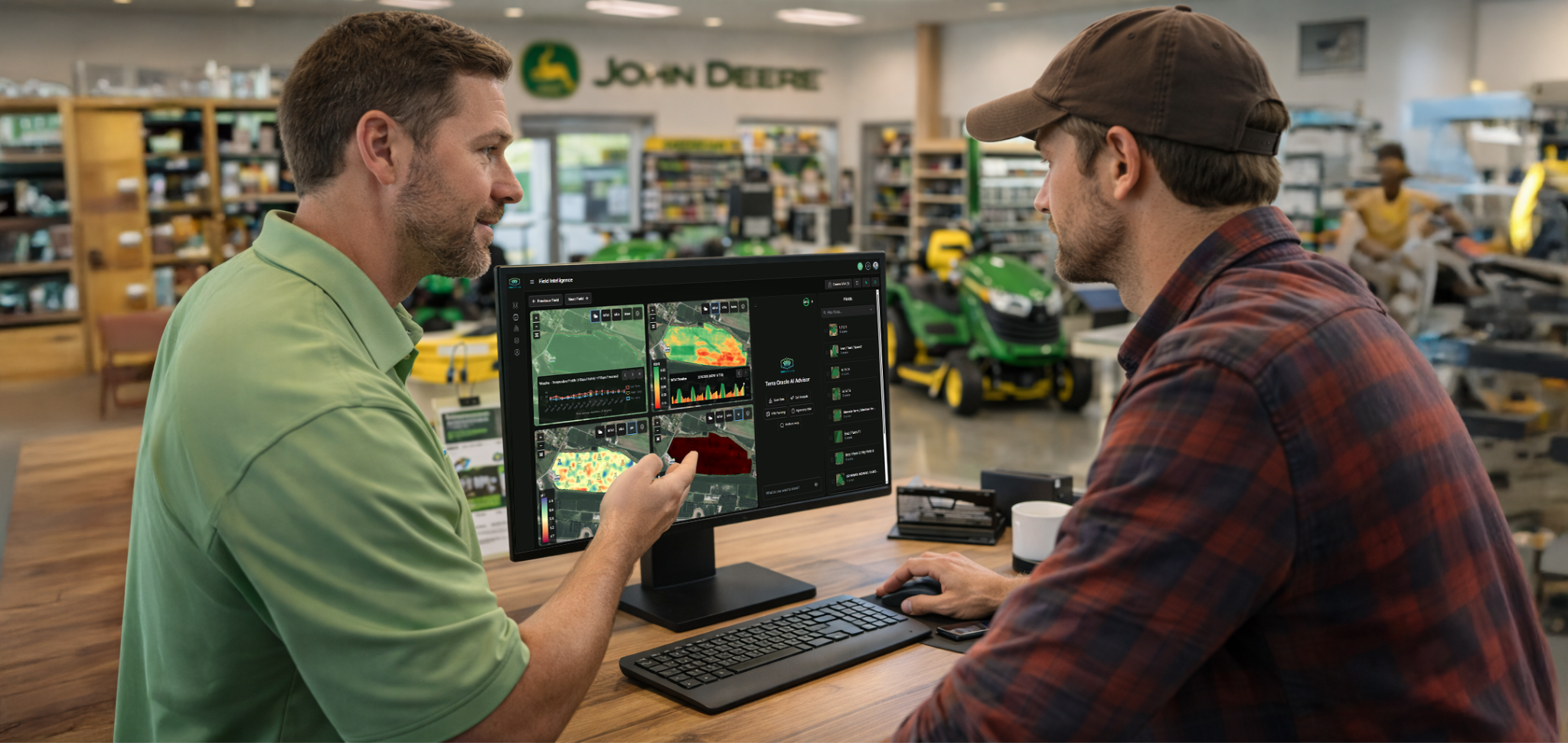
When presenting Terra Oracle AI to growers, use this structure:
Step 1 – Input Costs
- Total cost per hectare of scanning + calibration
Step 2 – Identify 3 Levers
- Fertilizer reduction
- Yield recovery
- Nitrogen optimization
Step 3 – Model Conservative Scenario
Use AI to simulate lowest realistic yield gain.
Step 4 – Compare Margin Change vs Cost
If:
Improvement ≥ Implementation Cost → Positive ROI
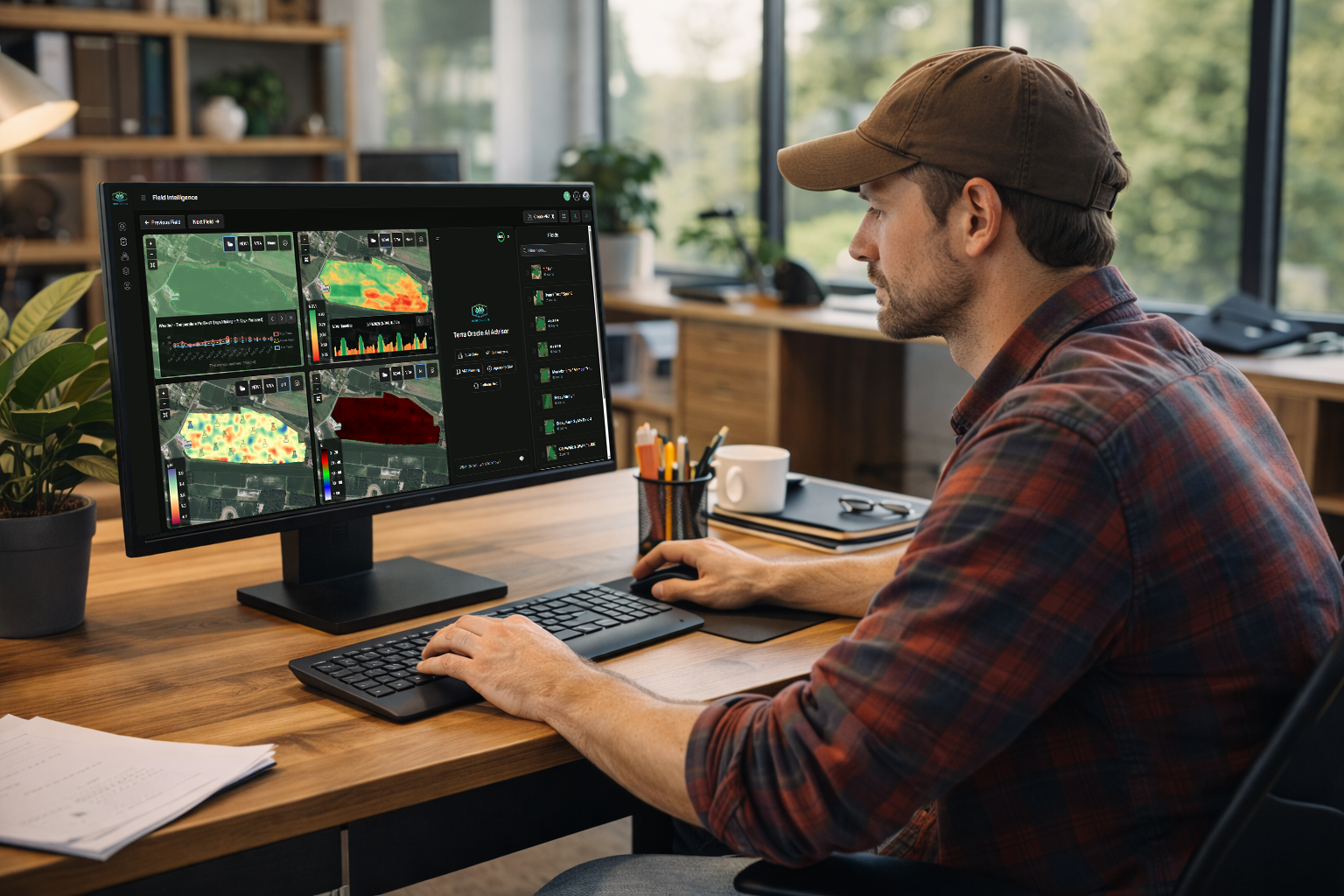
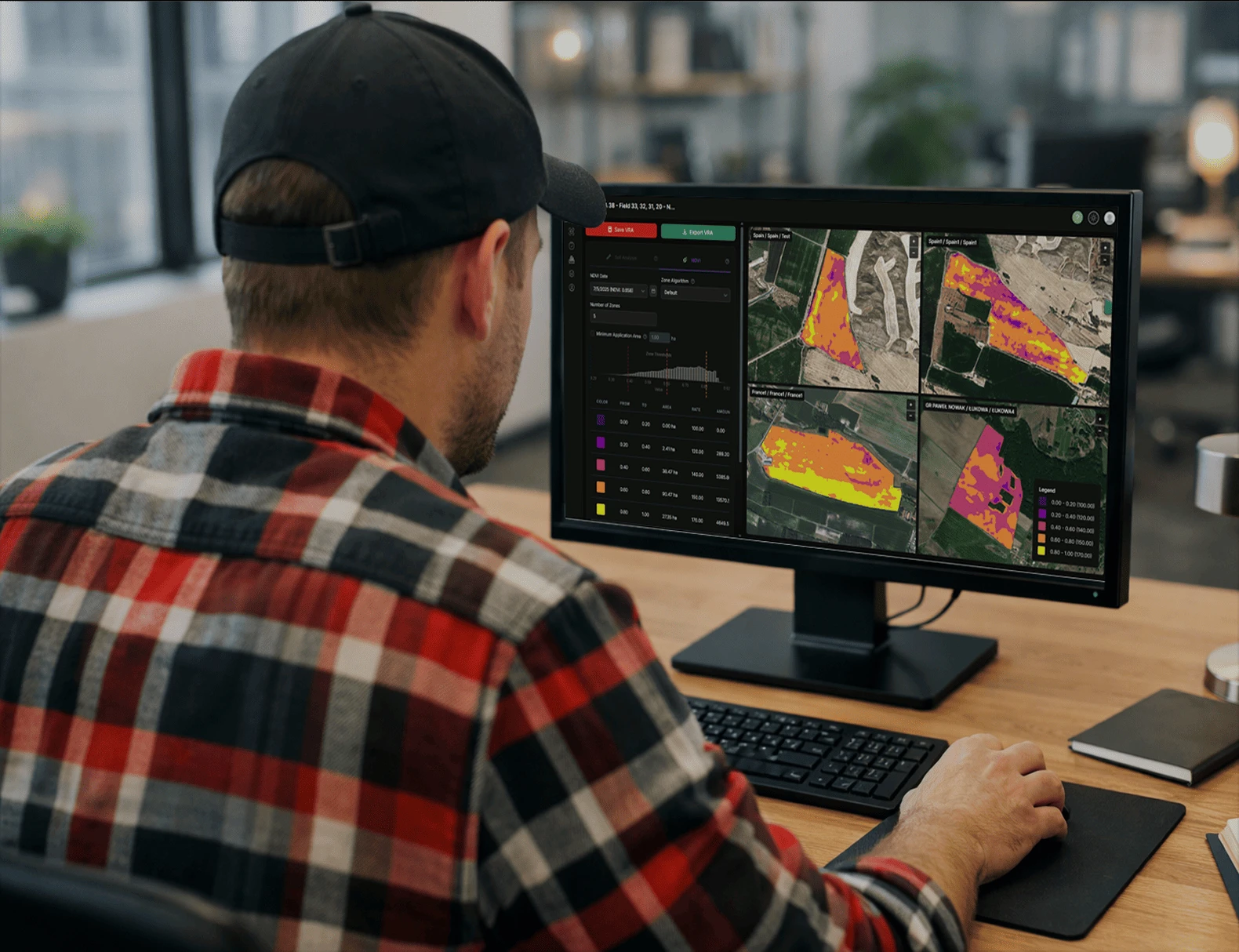
The platform allows this modeling directly inside the interface, making ROI evaluation more structured and easier to compare across scenarios.
The Strategic Value of ROI Modeling
In volatile fertilizer markets, guessing input response is expensive.
Structured soil intelligence combined with AI-driven simulation provides:
- Quantified risk reduction
- Transparent justification for rate decisions
- Data-backed dealer advisory positioning
- Stronger grower trust
Most importantly:
ROI becomes more transparent, testable, and decision-ready.
Precision Is About Margin, Not Maps
The value of soil scanning is not in the map itself.
It lies in:
- Calibrated interpretation
- AI-supported rate optimization
- Clear economic framing
- Operational execution through variable-rate prescriptions
When soil variability is translated into financially optimized action, scanning becomes an investment - not an expense.
And that is where Terra Oracle AI creates real value:
Turning spatial intelligence into defensible economic decisions at field scale.