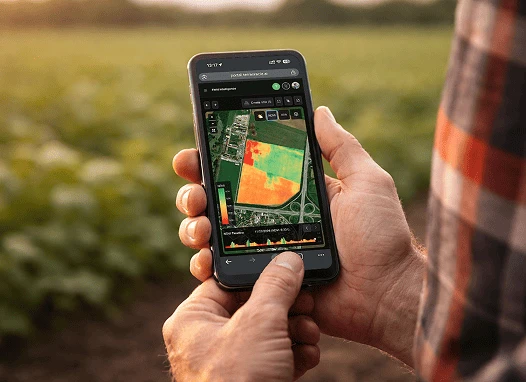

Building a Data-Driven Agronomy Service as a Dealer
How machinery dealers can build a recurring agronomy service by combining soil scanning, Terra Oracle AI decision support, and variable-rate execution.
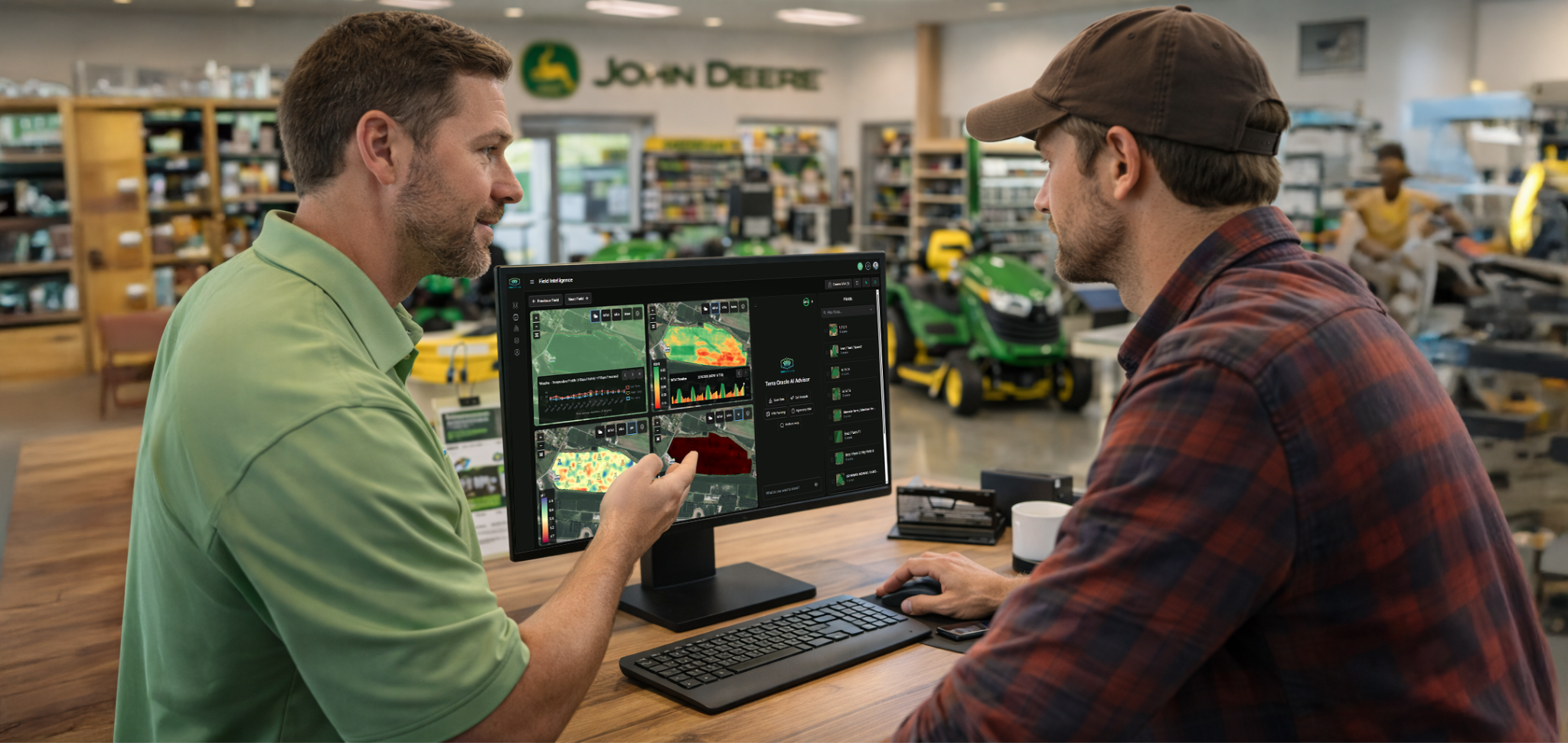
Most machinery dealers already sell precision capability.
- Variable-rate spreaders
- Section control sprayers
- Connected farm management systems
- Data-enabled tractors
- Combines with yield mapping
But capability alone does not generate recurring revenue.
The next strategic step is not selling more hardware.
It is building a data-driven agronomy service layer on top of the installed machinery base.
That is where calibrated soil scanning and AI-driven decision support change the business model.
The Shift: From Equipment Supplier to Agronomic Partner
Farmers increasingly expect more than machinery support.
They expect:
- Data interpretation
- Fertilizer optimization
- Margin improvement
- Justifiable prescriptions
Dealers who provide structured soil intelligence and AI-supported recommendations move from being equipment vendors to being decision partners.
This transition creates:
- Recurring revenue
- Higher customer retention
- Stronger differentiation
- Increased machinery pull-through
It also positions the dealer at the center of the grower’s decision cycle.
What a Data-Driven Agronomy Service Looks Like
A structured dealer service built around Terra Oracle AI typically includes:
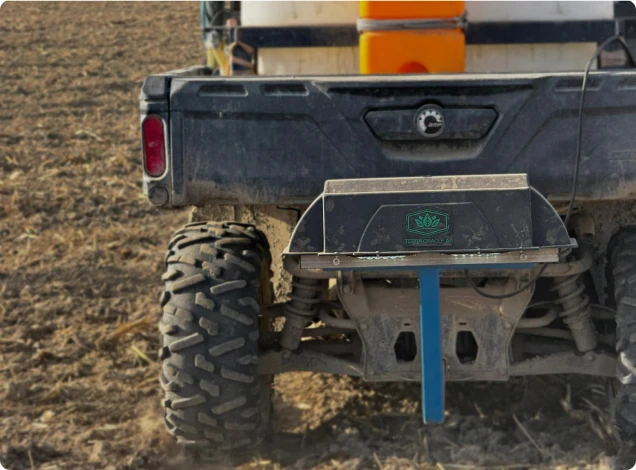
- Field-scale soil scanning
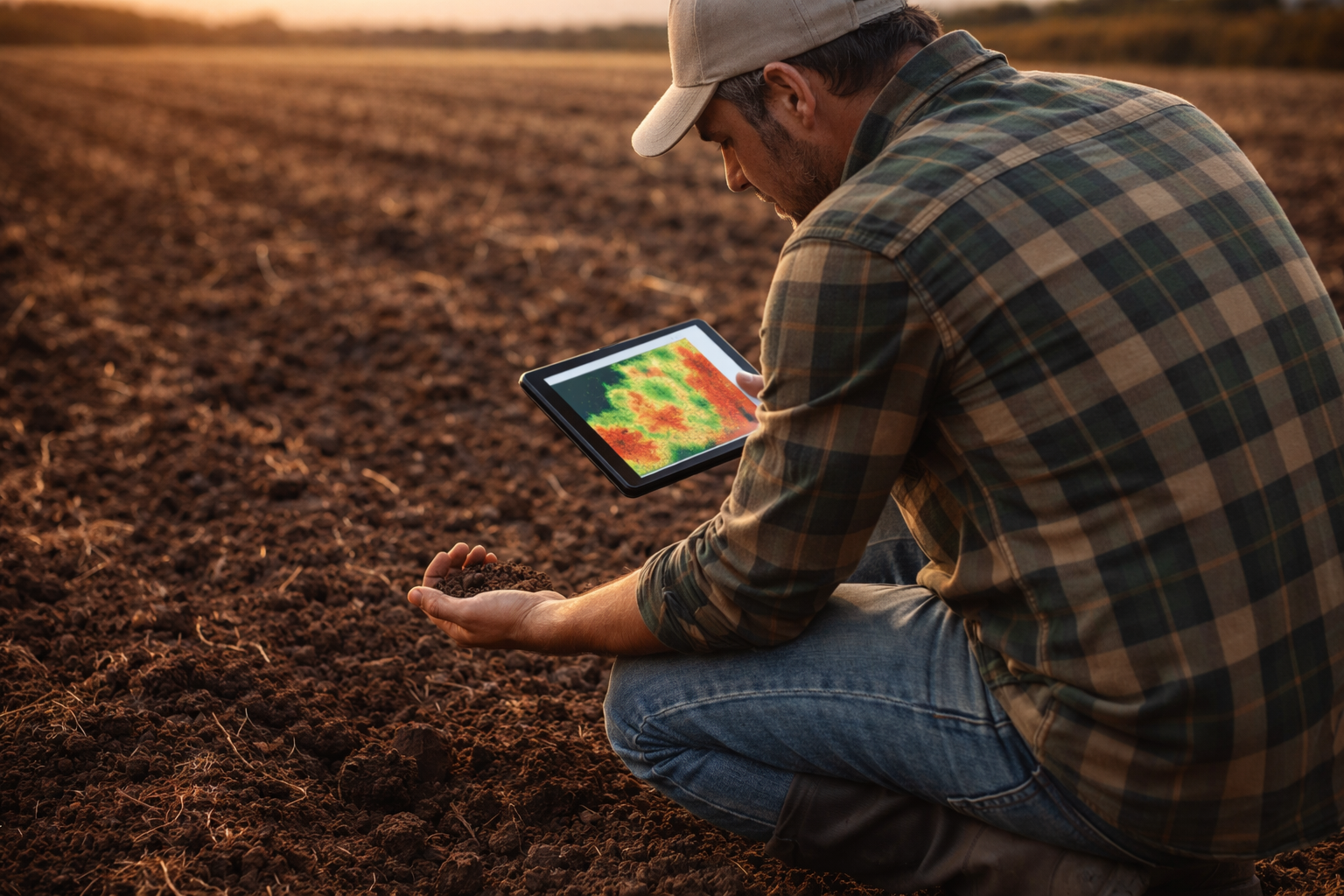
- Calibration sampling and laboratory validation
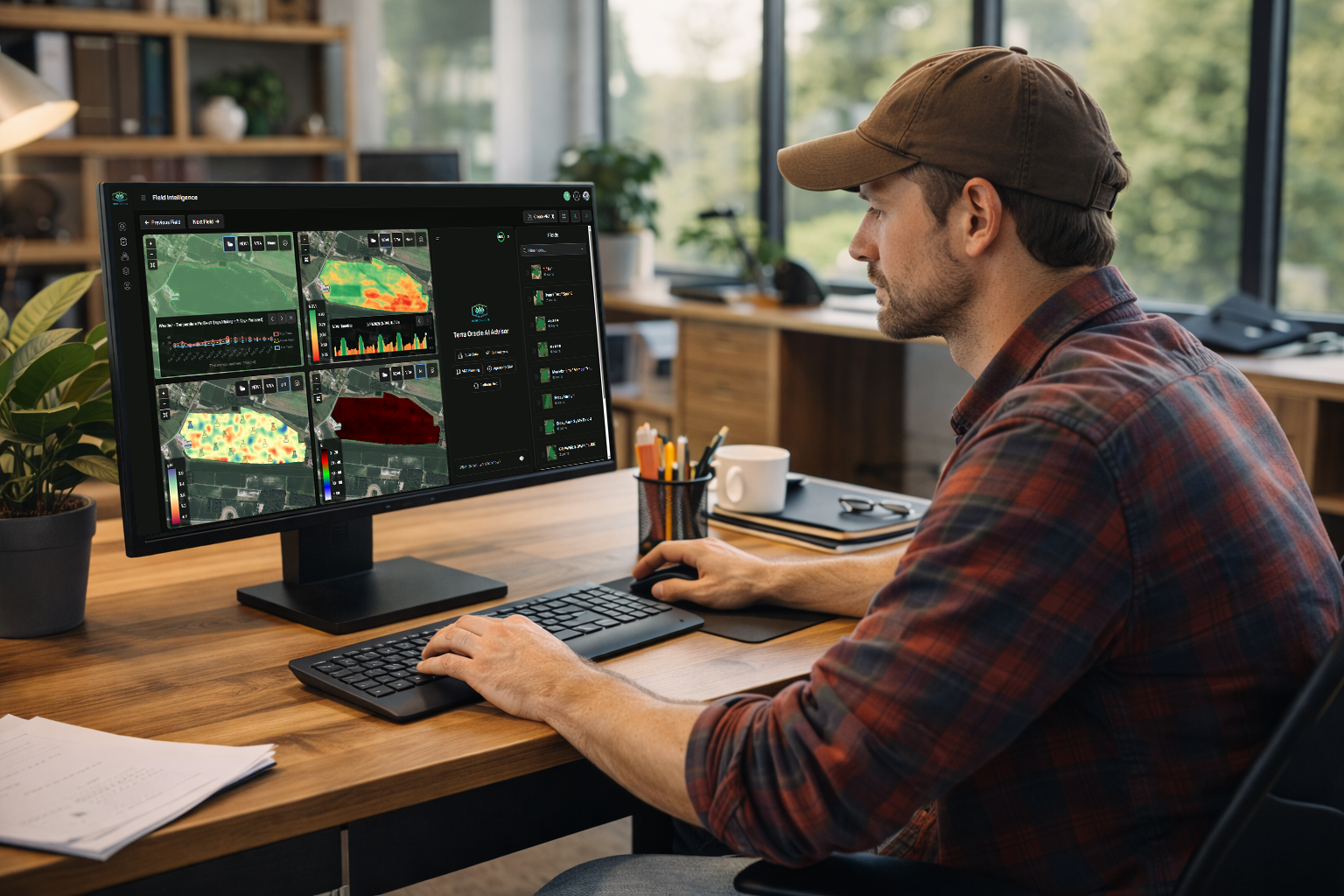
- Field Intelligence review and zoning strategy
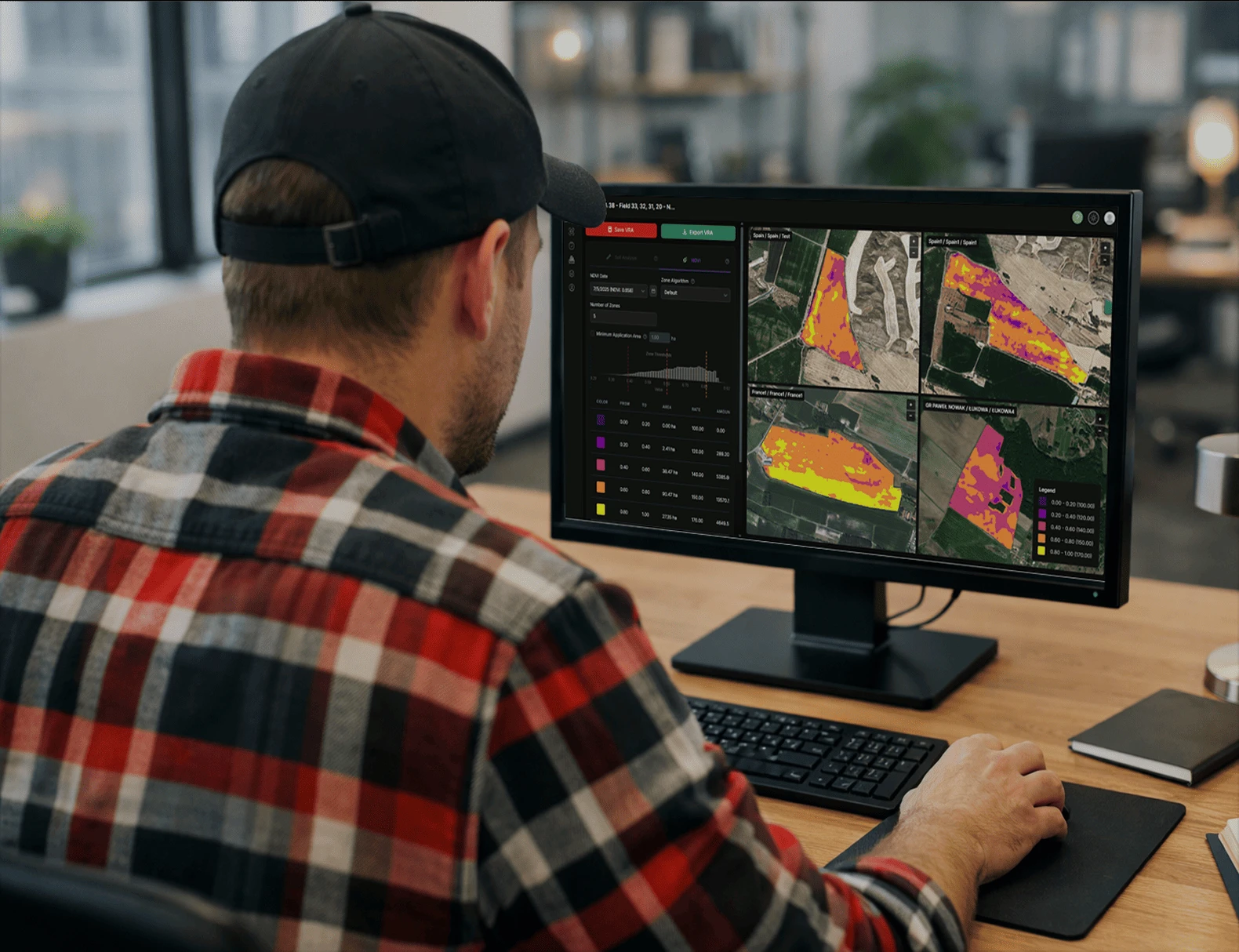
- VRA planning in the Terra Oracle AI Portal
- Ongoing agronomic decision support
The outcome is not a map.
It is a subscription-style agronomy service integrated with the dealer’s machinery ecosystem and decision workflow.
Cost Structure Breakdown (Per Hectare Model)
To evaluate the opportunity realistically, dealers must understand the cost components.
Below is a simplified modeled structure relevant to Western and Central Europe.
1. Soil Scanning Operations
Operational Components:
Scanner system
ATV or tractor mounting
Operator time
Fuel and logistics
Data processing
Estimated operational cost range:
≈ €6–10 per hectare (depending on scale and efficiency)
Cost declines significantly as annual scanned hectares increase.
2. Calibration Soil Sampling & Laboratory Analysis
Calibration is critical for agronomic credibility.
Typical costs include:
Targeted soil sampling (zonal)
Laboratory nutrient analysis
Logistics and handling
Estimated cost range:
≈ €4–8 per hectare (averaged across field)
Calibration cost per hectare decreases as more hectares are scanned within similar soil regions.
3. Equipment Depreciation (ATV / Tractor Platform)
ATV + mounting + annual depreciation allocation.
Spread across operational hectares:
≈ €1–3 per hectare (depending on scale and asset utilization)
4. Platform & AI Decision Layer
Includes:
Soil modeling
Zone classification
Economic simulation
Prescription generation
Data hosting
Integrated per-hectare cost depends on agreement structure but is typically incorporated within total service delivery.
Total Estimated Cost Structure
In a scalable dealer operation:
Total operational + calibration + depreciation cost range:
≈ €12–20 per hectare
This varies based on:
- Annual hectare volume
- Regional lab pricing
- Operational efficiency
- Territory density
Market Pricing Potential (Western & Central Europe)
Precision soil intelligence and variable-rate prescription services in mature markets may command:
≈ €25–40 per hectare
Depending on:
- Scope of service
- AI Advisory layer inclusion
- Multi-year contract structure
- Competitive landscape
Margin Structure
Under efficient deployment at scale:
Gross margin potential can reach ≈ 40–55%
In structured, well-managed operations across Western and Central Europe, gross margins near ~50% may be achievable when:
- Hectare volume exceeds minimum viable scale
- Calibration sampling is optimized
- Operator utilization is high
- Dealer leverages existing customer base
This creates a recurring service layer with margin characteristics that can differ significantly from traditional machinery margins.

Strategic Benefits Beyond Per-Hectare Revenue
The financial return is only one dimension.
A data-driven agronomy service also drives:
✔ Machinery Sales Pull-Through
Variable-rate capability becomes essential, not optional.
✔ Subscription Revenue Stability
Recurring hectare-based contracts smooth seasonal variability.
✔ Stronger Grower Retention
Once soil intelligence is embedded in decision-making, switching costs increase.
✔ Higher Advisory Authority
Dealers strengthen their role as agronomic advisors, not only hardware providers.
Why AI Is Essential to Service Scalability
Scaling agronomic advisory across thousands of hectares is computationally complex.
Without AI support, dealers would need:
- Significant agronomy staff expansion
- Manual economic modeling
- Spreadsheet-based rate calculations
Within Terra Oracle AI, dealers can support this workflow through Field Intelligence, AI Advisor, and VRA Maps. That includes:
- Zone-level economic simulation
- Break-even fertilizer modeling
- Scenario comparison
- AI-assisted VRA planning and prescription export
- Structured grower reporting
The AI layer reduces advisory friction while increasing analytical depth.
This allows dealers to:
- Maintain service quality
- Deliver defensible recommendations
- Operate more effectively at territory scale
The Competitive Advantage
Dealers who adopt data-driven agronomy services gain structural advantages:
- They build a recurring service around field variability
- They anchor themselves in the grower’s annual planning cycle
- They convert precision hardware into an ongoing decision-support offering
- They differentiate beyond price competition
The transition is not about adding complexity.
It is about capturing value already present in soil variability.
The Long-Term Opportunity
As fertilizer volatility continues and regulatory pressure increases, growers demand:
- Justified rates
- Risk modeling
- Margin optimization
- Transparent data-backed advice
Dealers who provide this capability will be better positioned to define the next generation of precision agriculture services.
Building a data-driven agronomy service is not a technical upgrade.
It is a business model evolution.
And for machinery dealers operating in Western and Central Europe, it represents a credible path toward sustainable, service-led growth within the precision agriculture ecosystem.